The Customer Wants It, the Customer Gets It... Or Do They?
Equipa Três Seis Nove
Technology, Product & Strategy
Would you tell the engineer where to place the support beams? 🏗️
Imagine the following scene: you've just bought a piece of land and hired an experienced civil engineer to design the house of your dreams. He presents the floor plan, explains the structure, and points out where the support columns will be.
You look at the project and say: "You know what? I think that column in the middle of the living room is ugly. Remove it."
The engineer would calmly respond: "If I remove that column, the ceiling will collapse and the house will fall."
You would probably accept his explanation. After all, you hired a specialist because he understands physics, materials, and structural calculations that you don't master. You wouldn't risk your house's safety for an aesthetic preference.
However, in the world of Software Development and Web Design, the exact opposite happens every day. And the result is the digital equivalent of a house about to collapse.
The Myth of "The Customer Wants It, the Customer Gets It"

Tense meeting with client
There is a dangerous belief in the digital market that, because the customer is paying, they should dictate every visual detail of the project.
Often, we receive requests like:
Make the logo bigger until it takes up half the screen. Make that button red because it's my favorite color. Fill the homepage with text to explain the entire company history.
Although the customer's intention is good (they want to see their brand shine), these decisions are based almost entirely on personal taste. And here lies the problem: your website isn't for you. It's for your user.
When we impose the business owner's personal taste over good design practices, we create a product that flatters the owner's ego but fails in its only real mission: to sell and communicate.
Design is Visual Engineering (UX), not Decoration

Wireframing and UX analysis
It's crucial to understand the difference between "making something pretty" and "making something work."
Interface Design (UI) and User Experience (UX) are not subjective artistic disciplines. They are applied behavioral sciences. A professional designer doesn't just "guess" where to place a menu; they decide based on:
Reading Patterns: We know that human eyes scan websites in specific patterns (like the "F" or "Z" pattern). Placing elements outside these paths makes information invisible.
Cognitive Load: If you ask to add "more information," you might be overloading the user's brain, making them abandon the purchase due to confusion.
Fitts' Law: The size and distance of a button directly influence the ease of clicking it (especially on mobile devices).
Accessibility: Colors you find "pretty" might have insufficient contrast, making the website unreadable for people with visual difficulties or on screens under direct sunlight.
Like the beams of a house, these UX elements are the structure that holds up the "sale." If you remove them for aesthetics, the conversion "falls."
Data vs. Opinion: Who Wins?
Data analysis dashboard
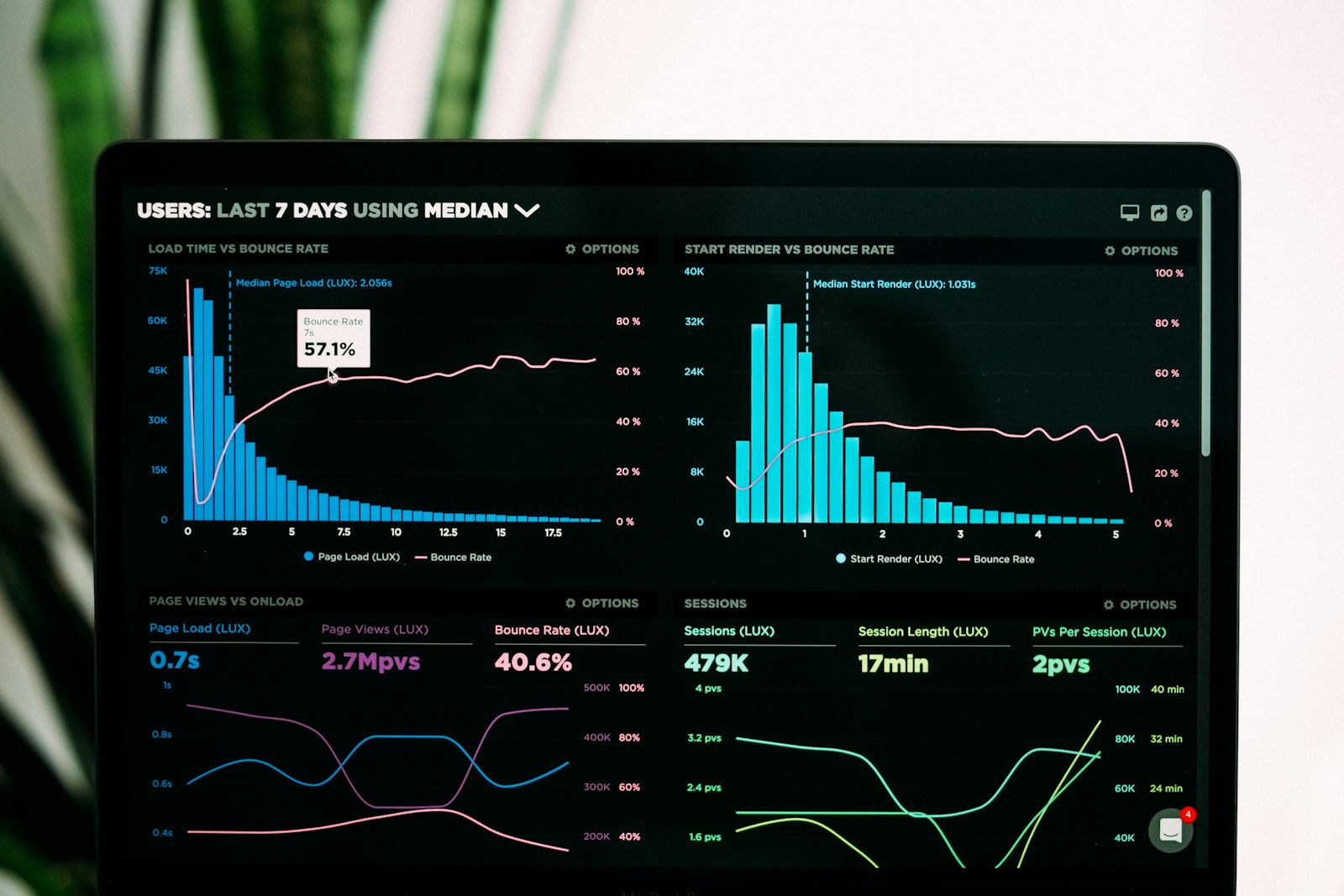
In a project meeting, the opinion of the highest-paid person in the room (the client) tends to win. But in the digital world, the only opinion that really matters is that of data.
Companies like Amazon, Google, or Netflix don't change the design because the CEO "got tired" of the color blue. They change based on A/B tests, heatmaps, and traffic analyses.
If the designer suggests that the button should be orange and in the right corner, it's not a guess. It's a strategy based on web conventions that your user already knows and expects to find. Breaking this convention to "innovate" or "look prettier" usually results in frustration for those navigating.
The Best Investment is Trust
If you hired a professional or agency to develop your software or website, you invested in their expertise.
This doesn't mean you can't give feedback. Your knowledge about your business is vital. However, feedback should be focused on the business problem ("We need more sales on this product"), not the design solution ("Make this button purple").
Let the specialist find the visual solution for the business problem.
Conclusion
Going back to the house analogy: do you prefer a house that's beautiful on the outside but has structural cracks, or a solid, safe, and functional house?
In the digital world, the choice is: do you want a website that's "pretty" for you, or a website that works for your customer?
Next time you feel like asking for a change based only on your personal taste, remember the engineer and the beams. Trust the data, trust UX, and let your website work for you.
Want to implement this approach on your website?
♻️ Strategic note
If you're tired of websites that don't convert and want a platform built on real data and strategy, contact us today. We'll build your solid digital structure.
Latest articles
Stay updated with insights on technology, design and digital entrepreneurship.